Common Animals Removed by Professional Wildlife Control Services
Local wildlife control service providers can help remove common animals like raccoons, squirrels, bats, and birds safely and effectively from your property.
Property owners in the area often encounter a variety of common animals that may find their way into homes, attics, garages, or other structures. These animals can cause damage, create noise disturbances, or pose health risks, making removal a practical concern for many. Understanding which animals are typically involved can help residents recognize signs of intrusion and know when professional wildlife control services might be needed to handle the situation effectively and humanely.
Local service providers specializing in wildlife control are equipped to address these common animal intrusions safely and efficiently. Whether it's raccoons rummaging through trash, squirrels nesting in attics, or birds roosting in vents, experienced contractors can help remove these animals and implement measures to prevent future issues. Keep reading to learn more about the types of animals commonly removed and how local experts can assist in resolving these wildlife encounters.
- Birds - homeowners dealing with nesting or droppings may need wildlife control services to safely remove and prevent future bird intrusions.
- Squirrels - when squirrels access attics or walls, local contractors can implement humane removal and exclusion methods.
- Raccoons - raccoons invading chimneys or crawl spaces often require professional removal and habitat exclusion strategies.
- Bats - bat colonies inside structures call for specialized removal and sealing techniques to ensure safe exclusion.
- Skunks - skunks under decks or sheds can be handled by service providers experienced in humane removal and odor mitigation.
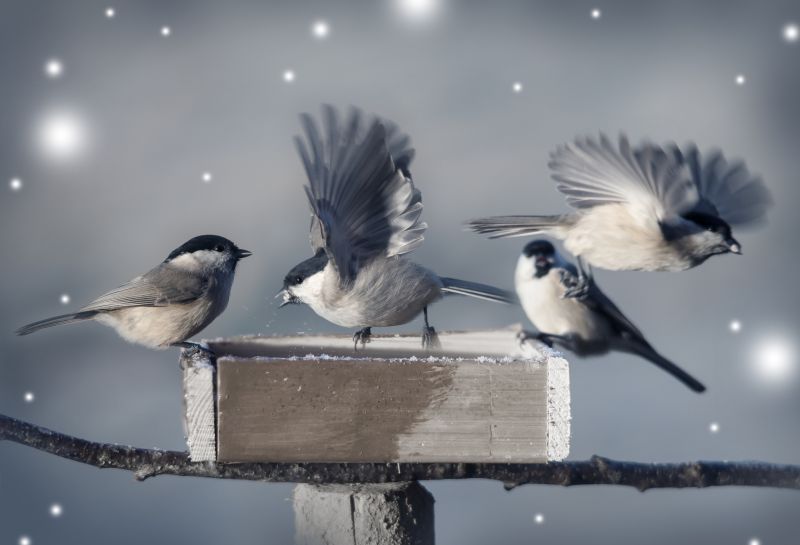
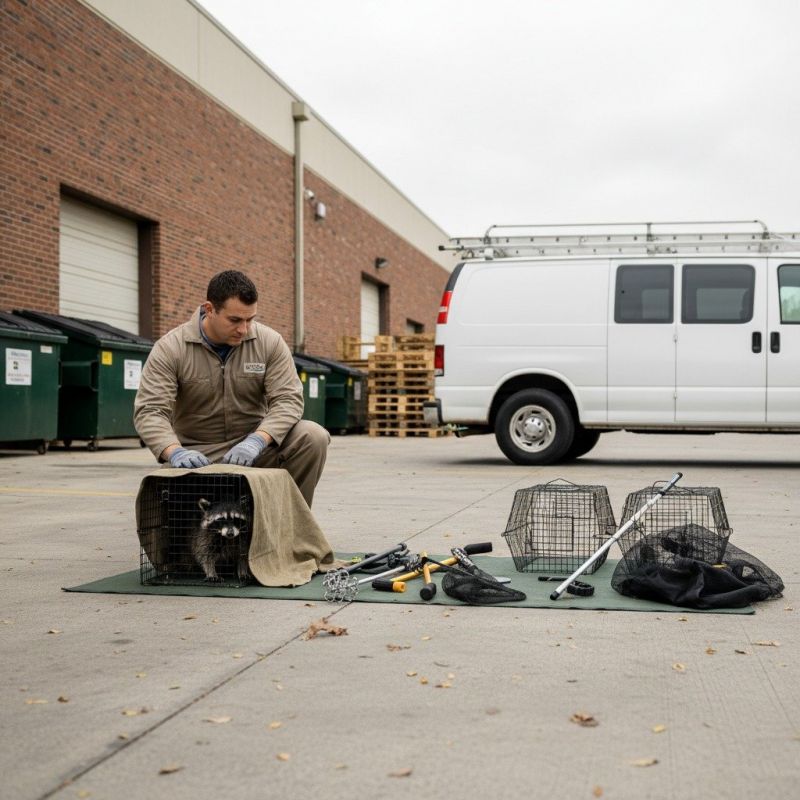
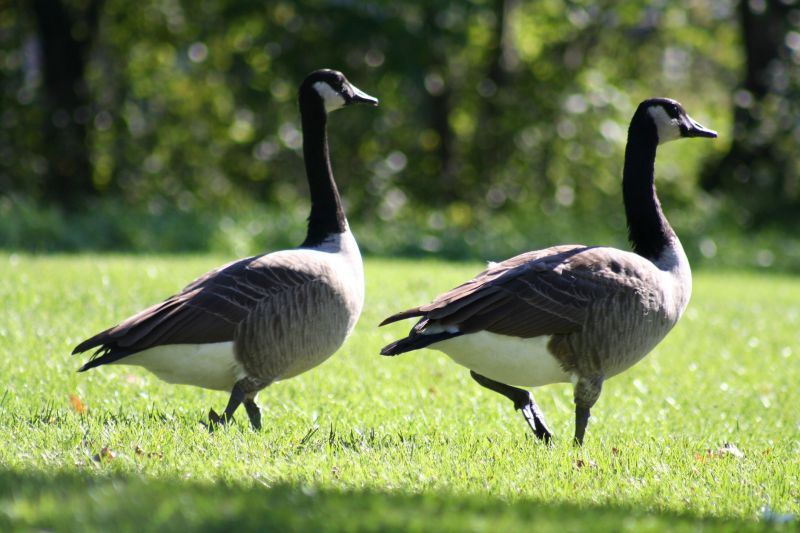
When people search for information about common animals removed by professional wildlife control services, they are often facing situations where unwanted creatures have entered or taken up residence on their property. These searches typically stem from concerns about animals causing damage, creating noise disturbances, or posing health risks. Homeowners may notice signs like droppings, chewed wiring, or unusual sounds, prompting them to seek expert assistance. Wildlife control professionals specialize in safely and humanely removing these animals, ensuring that the property remains secure and that the animals are relocated responsibly. This topic helps homeowners understand what types of animals are frequently encountered and how local service providers can address these common issues effectively.
The problems associated with these animals often involve property damage, sanitation concerns, and potential health hazards. For example, rodents can gnaw through insulation and wiring, increasing the risk of fires, while raccoons might tear apart attic insulation or damage roofing materials. Birds nesting in vents or chimneys can block ventilation systems, leading to airflow issues. Homeowners may also plan to prevent future invasions by sealing entry points or installing deterrents, which is where wildlife control experts come in. These professionals assess the property, identify the animals involved, and implement targeted removal strategies that help reduce ongoing problems and protect the home’s structural integrity.
Properties that typically come up in these situations include residential homes, especially attics, basements, and crawl spaces where animals often seek shelter. Commercial buildings, such as warehouses or retail spaces, are also common sites for wildlife intrusion, particularly in areas with large roof openings or gaps in exterior walls. Rural properties and farms may experience wildlife issues involving larger animals like foxes or coyotes, which can threaten livestock or crops. Regardless of the property type, wildlife control service providers are equipped to handle the unique challenges posed by different animals and property configurations, ensuring that the removal process is thorough and minimizes disruption.
Understanding the common animals removed by professional wildlife control services helps homeowners recognize the importance of prompt, expert intervention. Local contractors offer tailored solutions for a variety of property types and animal intrusions, helping to restore safety and peace of mind. Whether dealing with rodents in the attic, raccoons in the chimney, or birds nesting in vents, these service providers have the experience and tools to handle the situation effectively. Connecting with local wildlife control professionals ensures that the appropriate removal methods are used, and that ongoing prevention measures can be implemented to reduce the likelihood of future animal intrusions.
Exclusion and sealing projects - professionals use similar planning and tools to prevent animals from re-entering buildings after removal, ensuring long-term solutions.
Animal trapping and relocation - handling and relocating wildlife involves skills comparable to removing common animals by professional wildlife control services, emphasizing humane practices.
Attic and crawl space insulation removal - removing contaminated insulation often coincides with wildlife removal, requiring similar safety precautions and access techniques.
Nest and debris removal services - clearing nests and debris left by animals shares methods with wildlife removal, focusing on sanitation and prevention measures.
Damage repair and prevention - repairing entry points and structural damages caused by wildlife parallels the planning involved in removing animals and preventing future issues.
Wildlife habitat modification - altering landscapes to discourage animal activity involves skills related to wildlife control, aimed at deterring common nuisance animals.
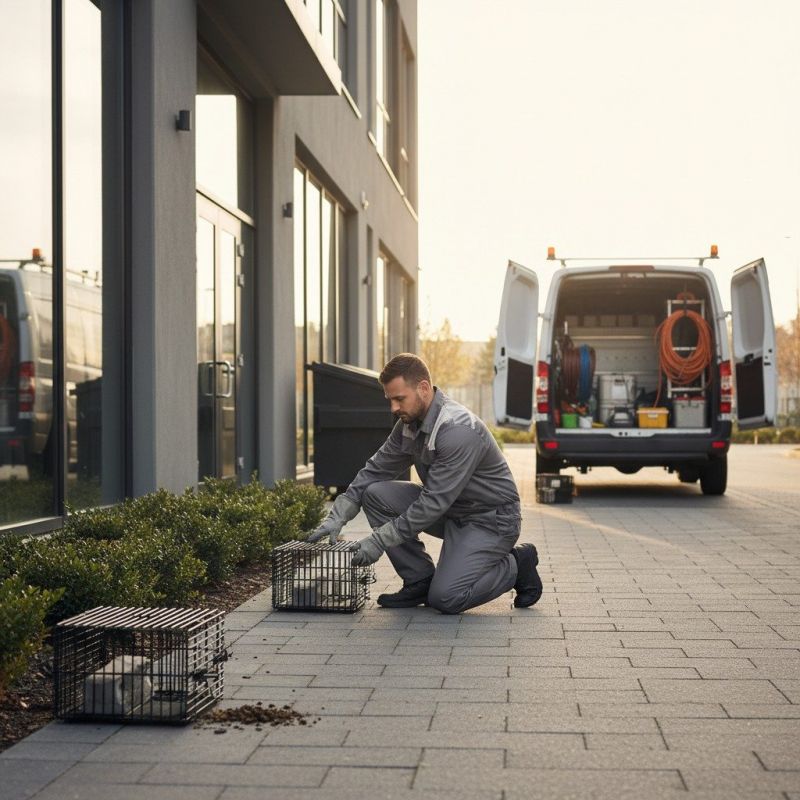
When evaluating wildlife control service providers for removing common animals from a property, it is important to consider their experience with similar projects. Homeowners should inquire about the types of animals they have successfully handled, such as raccoons, squirrels, bats, or birds, and whether they have encountered situations comparable to their own. A contractor’s familiarity with common animals removed by professional wildlife control services can indicate their ability to efficiently and effectively address specific challenges, ensuring the job is completed properly.
Clear written expectations are essential when choosing a wildlife control provider. Homeowners should seek detailed descriptions of the services offered, including the methods used for removal, exclusion, and prevention. Having a well-defined scope of work helps prevent misunderstandings and ensures that both parties are aligned on what will be accomplished. Reputable service providers often provide written estimates or agreements that outline the process, timelines, and responsibilities, giving homeowners confidence that the project will be managed transparently.
Good communication and reputable references are key factors in selecting a reliable wildlife control service provider. Homeowners should look for contractors who are responsive to questions and provide clear explanations about their procedures. Additionally, requesting references or reviews from past clients can offer insights into the quality of work and professionalism. Service providers with a track record of positive feedback and transparent communication are more likely to deliver a satisfactory experience when dealing with common animals removed by professional wildlife control services.
Property owners often search for common animals removed by professional wildlife control services when they are planning practical projects around their homes and businesses. Local pros provide Wildlife Control services for everyday jobs and straightforward project options.
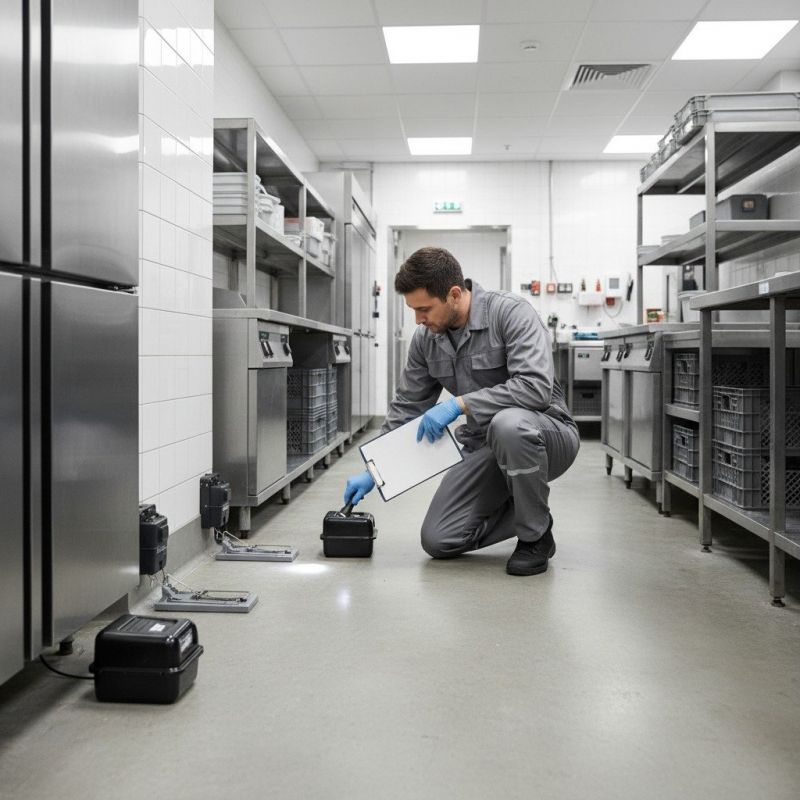
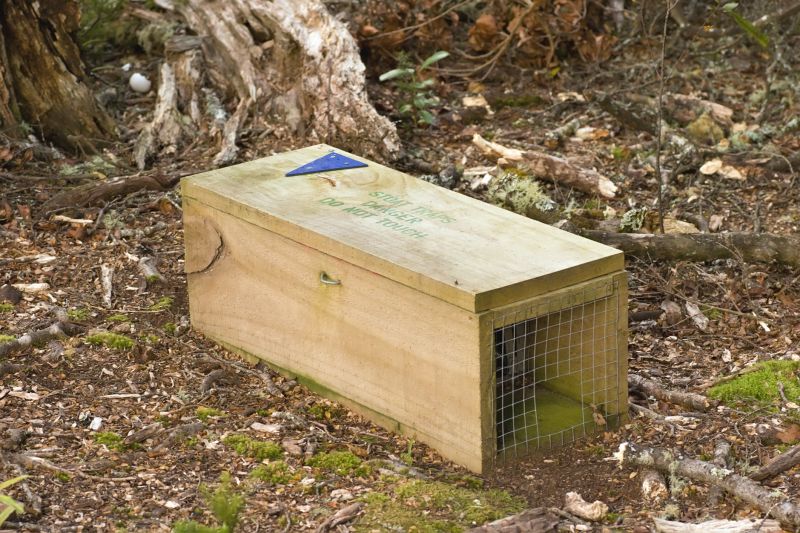
Homeowners and property managers often encounter situations where animals have taken up residence in or around their properties. Common animals removed by professional wildlife control services include raccoons, squirrels, bats, and skunks, which can find shelter in attics, crawl spaces, or beneath decks. These animals can cause property damage, create noise disturbances, or pose health risks, prompting property owners to seek assistance from local contractors experienced in humane removal and exclusion methods.
In many cases, property owners look into wildlife control services to handle animals that have become a nuisance or safety concern. Local service providers specialize in safely removing these common animals and implementing measures to prevent future invasions. Connecting with experienced professionals ensures that wildlife issues are addressed effectively, helping to restore safety and peace of mind for residents and property owners alike.
What types of animals are commonly removed by professional wildlife control services? Wildlife control services frequently handle animals such as raccoons, squirrels, bats, birds, and skunks that may invade residential or commercial properties.
Are rodents like mice and rats removed by wildlife control providers? While mice and rats are often considered pests, some wildlife control services also address larger rodents like squirrels and chipmunks, depending on their presence and behavior.
Do wildlife control services handle animals like snakes or reptiles? Typically, wildlife control focuses on mammals and birds, but some local contractors may also assist with snake removal if it involves property intrusion or safety concerns.
Can professional services remove animals that have taken shelter inside buildings? Yes, wildlife control professionals are equipped to safely remove animals such as bats, raccoons, and squirrels that have entered attics, walls, or other indoor spaces.
What are some animals that wildlife control services do not usually handle? Most wildlife control providers do not handle insects, aquatic animals, or large wildlife like deer or beavers, focusing instead on common nuisance animals that invade structures.
Identify common animals removed by professional wildlife control services - property owners can learn which animals are frequently handled to better recognize signs of intrusion.
Assess property vulnerabilities for wildlife entry - understanding how animals access structures helps plan effective exclusion projects with local contractors.
Implement preventative measures after removal - applying simple modifications based on wildlife behavior can reduce future encounters with common animals.
Coordinate with local wildlife control services for ongoing monitoring - regular inspections can help maintain a wildlife-free property and address new issues promptly.
If you are thinking about common animals removed by professional wildlife control services for a property, this guide is meant to help you understand this topic, the typical project types, and how different options might fit your plans.
When you are ready, you can use the quote form on this page to share a few details about your project. From there, local pros can review the basics and follow up with options that match what you have in mind.