Compare Local Contractors for Small Animal Removal Services
Compare local contractors for small animal removal to define the scope, verify experience, and set clear expectations in writing for a successful job.
Small animal removal services typically cover the identification, capture, and exclusion of nuisance animals such as raccoons, squirrels, bats, and other wildlife that may invade residential or commercial properties. These contractors often handle tasks like inspecting structures for entry points, safely trapping animals, and sealing openings to prevent future intrusions. Properly addressing these issues helps protect property integrity and reduces the risk of damage or health concerns associated with unwanted wildlife presence.
Clearly defining the scope of work is essential when hiring contractors for small animal removal. A detailed agreement should specify the types of animals involved, the methods used for removal, and any necessary repairs or exclusions to prevent re-entry. Establishing expectations in writing helps ensure that both property owners and service providers are aligned on the work to be performed, reducing misunderstandings and making it easier to evaluate the quality and thoroughness of the service.
Property owners can compare local contractors by reviewing their experience with similar jobs, understanding the services they offer, and verifying their reputation within the community. It’s beneficial to ask for references or examples of past work, as well as to clarify what is included in the scope of services. By assessing how each contractor approaches small animal removal and ensuring their offerings match specific needs, property owners can make informed decisions and select service providers best suited to handle the job effectively.
Compare local contractors by outlining your priorities, verifying experience, and setting clear expectations in writing.
- Verify Experience and Credentials - Ensure service providers have relevant experience handling small animal removal safely and effectively.
- Define Scope Clearly - Establish the specific tasks and responsibilities expected from the contractors before work begins.
- Compare Local Contractors - Review and evaluate multiple service providers to find those with solid reputations and appropriate expertise.
- Get Written Agreements - Document all project details, scope, and expectations in a formal agreement to prevent misunderstandings.
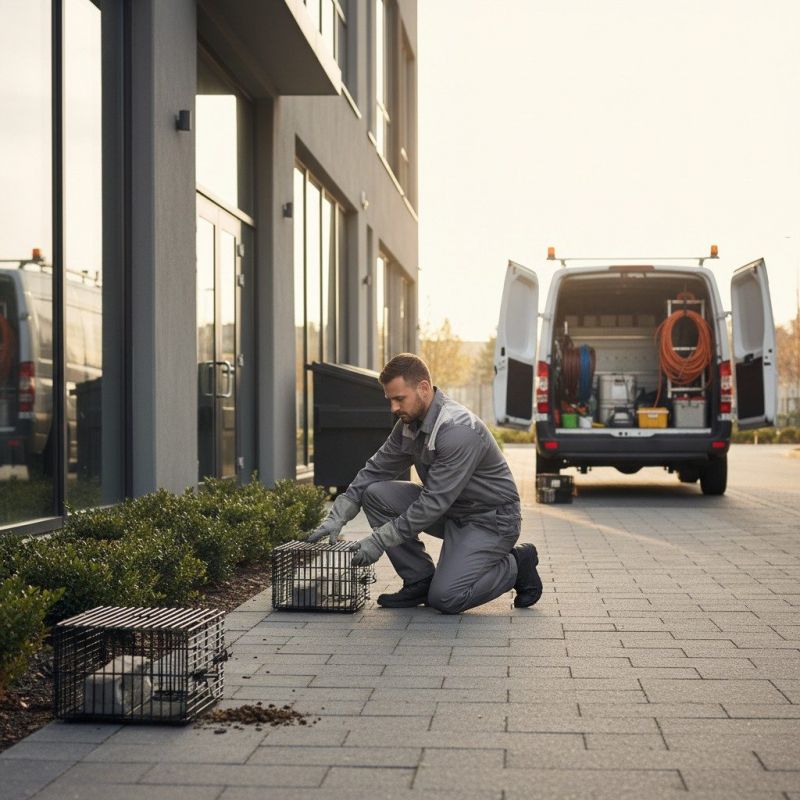
Clearly describe your small animal removal project to help compare service providers, define scope, verify experience, and set expectations in writing.
- Identify the types of small animals the contractor has experience removing. Ensure the scope of work is clearly defined and documented in writing before starting.
- Verify that the contractor conducts a thorough inspection to locate all entry points and nesting areas. Confirm that the removal methods align with safe and humane practices.
- Check that the contractor provides a detailed plan for animal exclusion and property repair if needed. Clarify the level of cleanup and sanitation services included in the scope.
- Assess the contractor’s knowledge of local regulations and humane removal techniques. Ensure expectations for the removal process and post-removal steps are outlined in writing.
- Compare how different service providers handle the removal process, including their approach to animal safety. Look for clear communication about the scope and any additional services offered.
Compare local contractors’ experience and clarify project scope to ensure effective small animal removal.

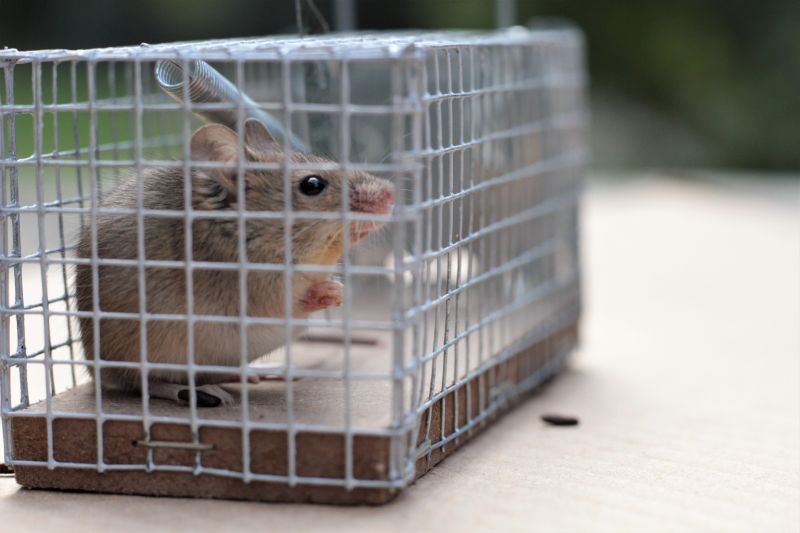
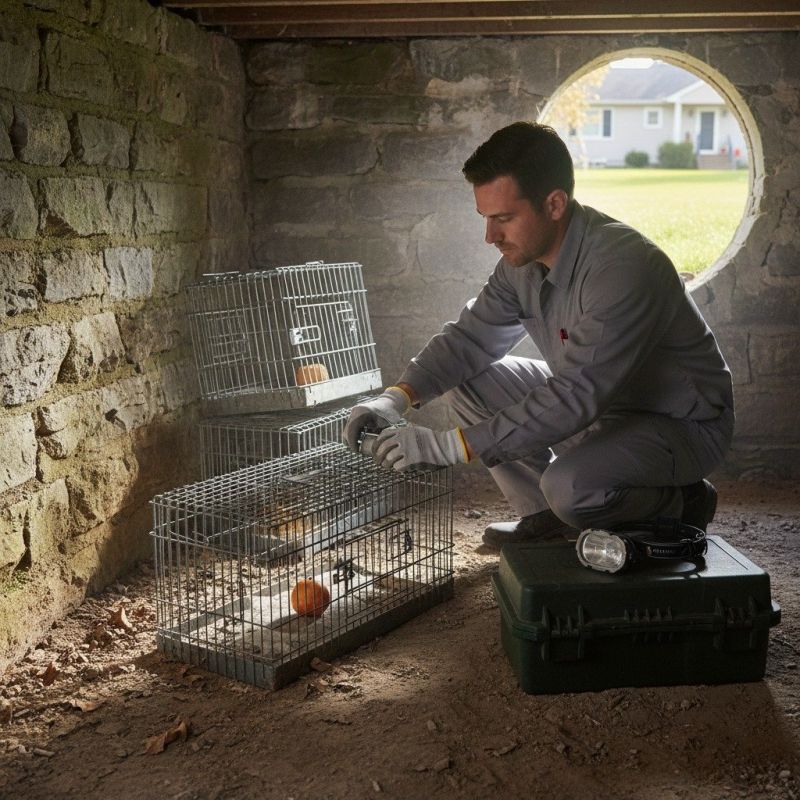
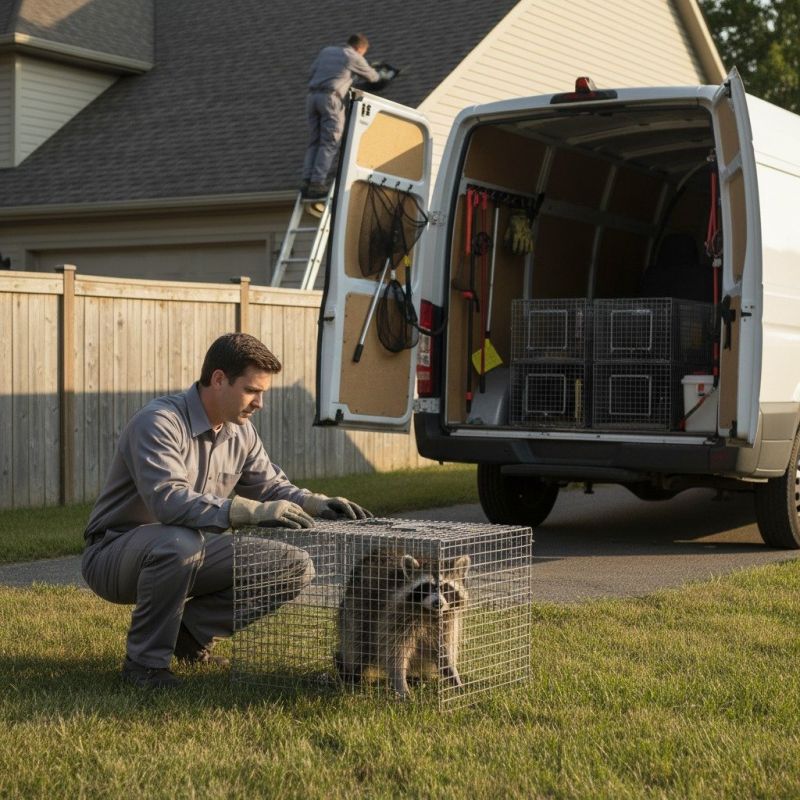
This scope builder helps compare local contractors for small animal removal by defining work, verifying experience, and setting clear expectations.
- Define the scope of small animal removal services needed to ensure clarity on the specific types of animals and areas involved.
- Identify the experience and expertise of local contractors in handling small animal removal to verify their capability for the job.
- Specify the methods and procedures used during removal to understand how the work will be performed and ensure it aligns with expectations.
- Outline the responsibilities and tasks included in the service to establish what is covered and prevent misunderstandings.
- Document all details and agreements in writing to create a clear reference for the scope of work and service expectations.
When comparing contractors for small animal removal, it is important to evaluate their experience with similar projects. Service providers who have handled a variety of situations involving different types of animals and property configurations are more likely to understand the nuances of effective removal. Asking about the types of animals they have successfully managed and the methods they typically use can help clarify their familiarity with the work. A contractor’s history with comparable jobs provides insight into their practical knowledge and ability to address the specific challenges that may arise during removal.
A clear, written scope of work is essential when evaluating small animal removal contractors. This document should outline the specific tasks to be performed, the areas to be addressed, and any exclusions or limitations. A detailed scope helps ensure that both parties have aligned expectations and reduces the risk of misunderstandings. It is advisable to review the scope carefully and ask for clarification on any points that seem vague or incomplete. This clarity can serve as a foundation for a smooth project process and provide a basis for assessing whether the contractor’s approach aligns with the needs of the property.
Verification basics are a crucial part of selecting a reliable service provider. While licensing and certification are not always required, it is helpful to confirm that contractors carry appropriate insurance coverage and have a good reputation within the community. Requesting references or reviews from previous clients can provide additional assurance of their capability and professionalism. Verifying these aspects helps establish confidence that the contractor has a track record of completing projects responsibly and effectively. Doing some background checks on the contractor’s experience can contribute to a more informed decision.
When evaluating options, it is beneficial to compare how each contractor approaches the project and communicates their plan. Consider whether they provide detailed proposals or written statements that outline their process, safety considerations, and any necessary follow-up work. Asking questions about their methods, equipment, and experience with specific animals can help determine their suitability for the job. By focusing on the quality of communication and the thoroughness of their approach, property owners can make more informed choices without relying on price as the sole criterion. This careful comparison supports selecting a contractor who can deliver effective and professional small animal removal services.
Request written descriptions of the scope of work to ensure clear expectations and consistent project understanding.
- Experience and Specialization - What specific experience do local contractors have with small animal removal?
- Scope of Services - How do contractors define the scope of work to ensure all aspects of animal removal are covered?
- Methods and Techniques - What methods do service providers use to handle different types of small animals safely and effectively?
- Written Agreements - Are the project scope and expectations clearly outlined in a written agreement before work begins?
- Comparison Factors - What criteria should be used to compare the qualifications and approaches of different local contractors?
What should I consider when choosing a contractor for small animal removal? It's important to compare local contractors based on their experience, scope of services, and reputation. Ensuring clear communication and detailed written agreements can help set proper expectations for the job.
How can I verify a contractor's experience with small animal removal? You can ask potential service providers about their past projects and request references or proof of experience to assess their familiarity with the specific animals involved.
What questions should I ask to define the scope of the removal project? Inquire about the methods used, the extent of the removal process, and any follow-up services offered. Clear answers can help ensure the scope aligns with your needs.
Why is it important to have the project details in writing? Having a written agreement helps clarify the scope, responsibilities, and expectations, reducing misunderstandings and ensuring both parties are on the same page.
How do I compare different local contractors for small animal removal? Review their experience, scope of services, reputation, and the clarity of their communication. Gathering multiple quotes and details can aid in making an informed choice.
What is the benefit of working with experienced service providers? Experienced contractors are more likely to understand the nuances of small animal removal, which can lead to more effective and thorough service delivery.
This page has outlined the key steps to find reliable contractors for small animal removal, including understanding the scope of work, verifying experience, and putting clear expectations in writing. Comparing different service providers can help identify options that meet specific needs and ensure transparency throughout the process. Utilizing the quote form allows for easy comparison of local contractors, helping to gather information and make informed choices.
By using the quote form, visitors can connect with local contractors who specialize in small animal removal and explore available options in the area. Taking the time to review and compare these service providers can support selecting the right partner for the job, based on the outlined considerations.