Compare Local Contractors for Wildlife Removal Services
Compare local contractors for wildlife removal to define project scope, verify experience, and set clear expectations, ensuring a reliable and effective property solution.
Wildlife removal contractors typically handle the humane exclusion and removal of animals such as raccoons, squirrels, bats, and birds from residential or commercial properties. Their work often includes inspecting the property to identify entry points, sealing gaps or openings, and installing deterrents to prevent future incursions. Some contractors may also offer cleanup and repair services to restore damage caused by wildlife activity. Clearly understanding the scope of these services helps property owners ensure that all necessary steps are addressed and that the problem is effectively resolved.
Defining the scope of wildlife removal work is essential for setting clear expectations and avoiding misunderstandings. Property owners should specify which animals need to be removed, the extent of property inspection, and any follow-up or preventative measures required. Documenting these details in writing creates a record that can be referenced throughout the project, ensuring that both parties agree on what is included and what is not. This clarity helps prevent surprises and ensures the chosen service provider can deliver the appropriate solutions for the specific wildlife issue.
When comparing local contractors for wildlife removal, property owners should evaluate their experience in handling similar situations, the range of services offered, and their approach to humane animal removal. It’s helpful to verify that the contractors understand local wildlife behaviors and common entry points in the area. Additionally, reviewing how each contractor defines their scope of work and what is included can aid in making an informed decision. Gathering information about their methods for sealing property vulnerabilities and their process for follow-up can contribute to selecting a provider capable of effectively resolving wildlife issues.
Compare local contractors by outlining your priorities, verifying experience, and clearly defining project scope and expectations.
- Verify Experience - Ensure contractors have relevant experience handling wildlife removal specific to the job.
- Define Scope - Clearly outline the services needed and confirm they match the contractor’s capabilities.
- Compare Options - Review multiple local service providers to evaluate their expertise and service offerings.
- Get Written Agreements - Establish detailed agreements that specify the scope of work and expectations.
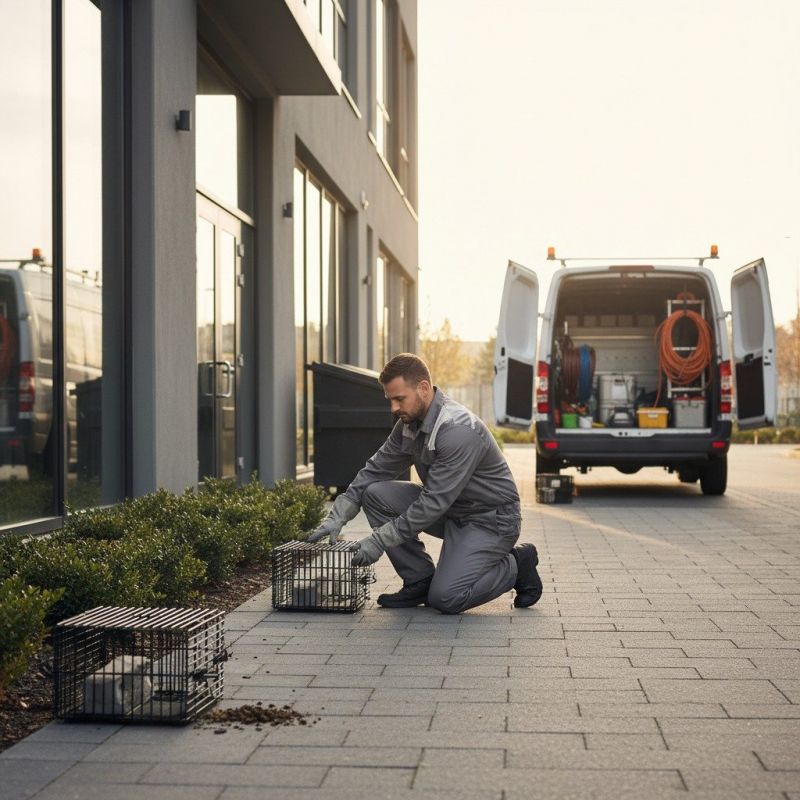
Clearly define your wildlife removal project to effectively compare contractors, verify experience, and set expectations in writing.
- Verify experience and expertise in wildlife removal specific to the type of animals involved. - Ensure service providers have a clear scope of work and written agreement outlining the removal process.
- Assess the methods used by contractors to ensure humane and effective wildlife removal practices. - Confirm that local contractors follow appropriate protocols for safe and humane animal exclusion.
- Check that contractors identify and address entry points and potential access areas during the removal process. - Look for providers who thoroughly inspect the property to prevent future wildlife intrusion.
- Determine if the scope includes cleanup, sanitation, and repair of any damage caused by wildlife. - Make sure service providers offer comprehensive solutions that cover post-removal needs.
- Compare the experience and reputation of different service providers through reviews and references. - Prioritize local contractors with a track record of successful wildlife removal projects.
- Ensure that all work details, including scope and expectations, are documented in writing before work begins. - Avoid misunderstandings by having a clear, detailed agreement with the service provider.
Compare local contractors to clarify scope, verify experience, and set clear expectations in writing.
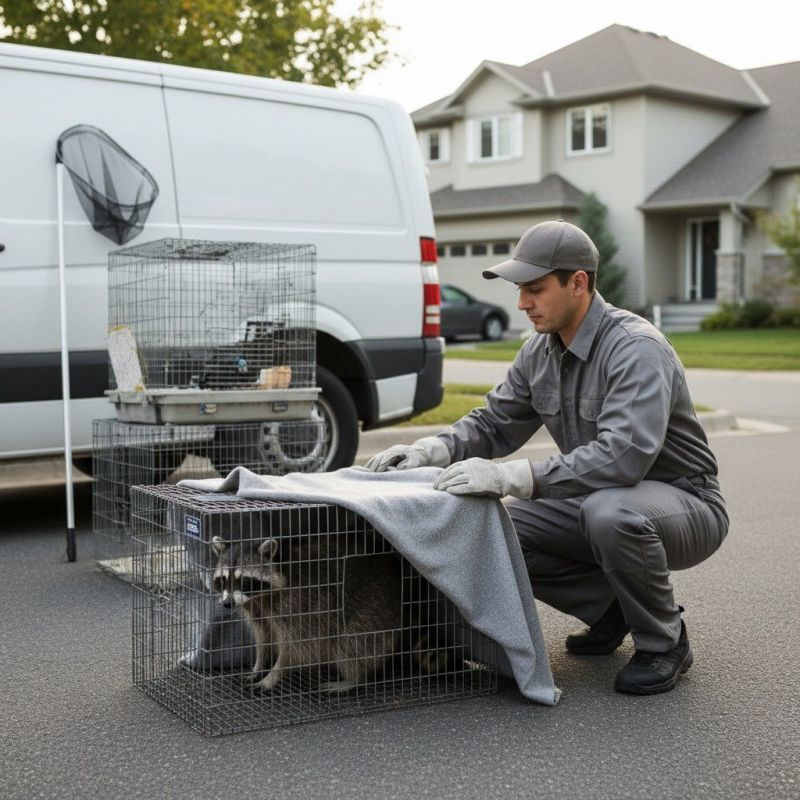
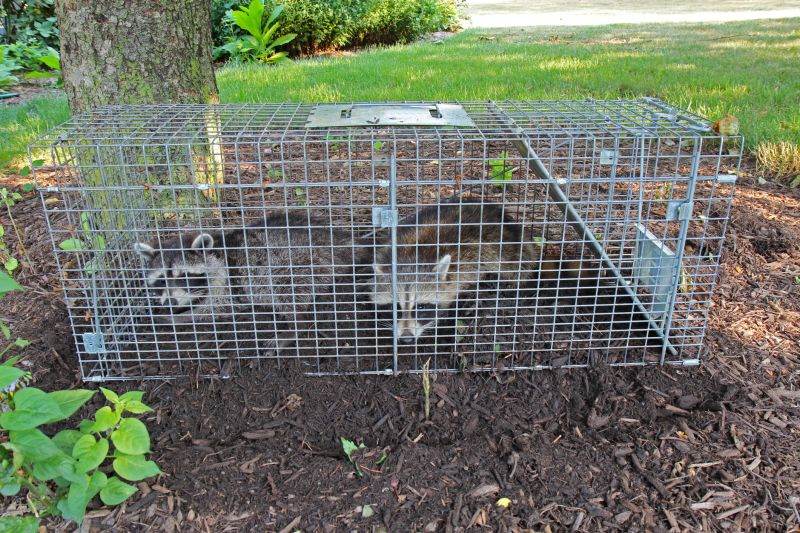

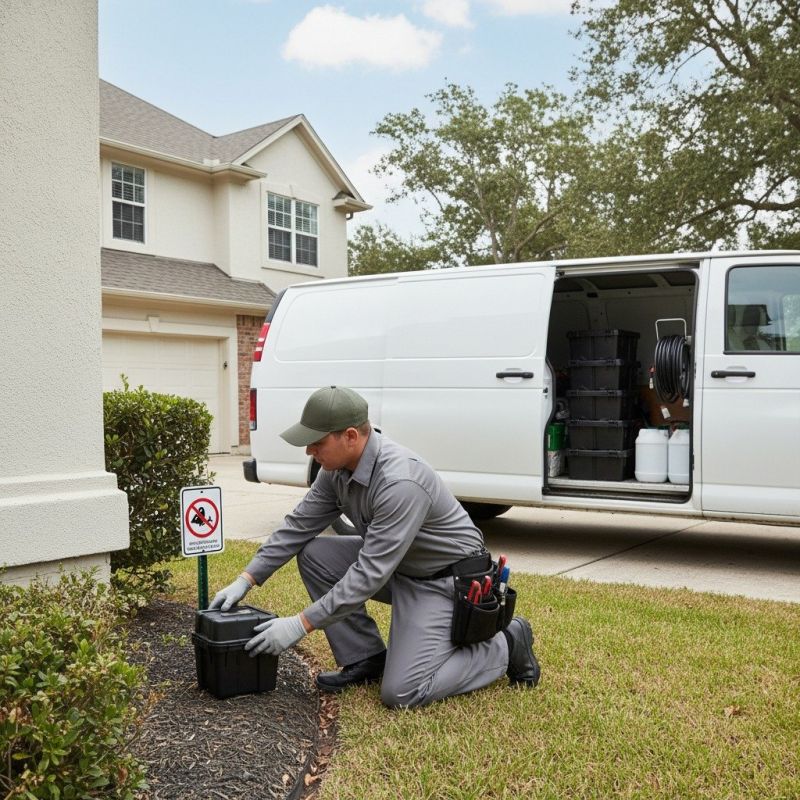
This scope builder helps compare wildlife removal contractors by defining work, verifying experience, and ensuring clear expectations.
- Service Scope - Clearly define the specific wildlife species to be removed and the extent of removal services needed.
- Exclusion Measures - Identify if the contractor will include property repairs or modifications to prevent future wildlife entry.
- Experience and Methods - Verify the contractor’s experience with wildlife removal techniques suitable for the situation.
- Work Guarantee and Follow-up - Ensure the scope includes any guarantees or follow-up services for ongoing prevention.
- Written Agreement - Confirm all aspects of the scope are documented in a detailed written agreement before work begins.
When comparing contractors for wildlife removal services, it is important to consider their experience with similar projects. A contractor who has handled a range of wildlife issues-such as raccoon infestations, bat colonies, or squirrel intrusions-likely possesses the practical knowledge needed to address specific challenges effectively. Asking about their previous work with comparable situations can provide insight into their familiarity with common obstacles and effective removal techniques, helping to ensure the chosen service provider has relevant hands-on experience.
A clear, written scope of work is essential when evaluating wildlife removal contractors. This document should outline the specific tasks involved, such as inspection procedures, removal methods, property repairs, and exclusion measures. A detailed scope helps establish mutual understanding and sets expectations for what the project will cover. When reviewing proposals or estimates, look for contractors who provide comprehensive, written descriptions of their approach, rather than vague or incomplete summaries, to ensure there is clarity about what will be done.
Verification basics are crucial in assessing the reliability of a wildlife removal service provider. While licensing and certification are not the focus here, it is still important to verify references or reviews that confirm the contractor’s experience and professionalism. Asking for examples of past projects or seeking feedback from previous clients can help gauge the quality of work and the contractor’s ability to deliver consistent results. This step helps ensure that the service provider is reputable and capable of managing the specific wildlife issues encountered.
When evaluating options, it is helpful to compare how contractors communicate their scope and approach. Look for service providers who are transparent about their methods and who can clearly explain the steps involved in wildlife removal and property protection. Consider how well they understand the problem, the thoroughness of their proposed solution, and their willingness to provide detailed information in writing. By focusing on these aspects, homeowners can make informed decisions based on the contractor’s expertise, clarity, and professionalism-without relying on price alone.
Ask contractors to provide written scope details to ensure clear expectations and consistent service.
- Scope of Work - What specific wildlife removal services are included and what areas will be addressed?
- Experience and Expertise - How long have the service providers been handling wildlife removal projects similar to this one?
- Methods and Equipment - What techniques and tools do the local contractors plan to use to ensure effective removal?
- Scope Clarification - Are the contractors clear on whether the job includes damage repair or exclusion work?
- Written Agreement - Will the service providers provide a detailed, written scope of work to outline expectations?
What should I consider when choosing a wildlife removal contractor? It's important to compare the experience, reputation, and scope of services offered by different local contractors to ensure they can meet specific wildlife removal needs.
How can I verify a contractor's experience with wildlife removal? You can review their past projects, ask for references, and check for any relevant work history to assess their familiarity with handling various wildlife issues.
What details should be included in a written scope of work? A clear scope should outline the specific wildlife species involved, removal methods, exclusion procedures, and any follow-up or cleanup services expected.
Why is it important to compare multiple service providers? Comparing multiple contractors helps identify those who best match the required expertise, services, and professionalism for effective wildlife removal.
How can I ensure a contractor understands the scope of work? Discuss the project details thoroughly and request a written agreement that clearly defines the tasks, responsibilities, and expectations involved in the wildlife removal process.
What questions should I ask a wildlife removal contractor before hiring? Inquire about their experience with specific wildlife, the methods they use, how they handle property protection, and whether they provide any guarantees or follow-up services.
This page has outlined how to identify and compare wildlife removal contractors effectively. Visitors learned the importance of defining the scope of work, verifying experience, and setting clear expectations through written agreements. Utilizing the quote form can help gather details and compare options among trusted service providers in the area, making it easier to find the right fit for specific needs.
By using the provided quote form, visitors can connect with local contractors who specialize in wildlife removal. This process facilitates gathering information to compare different service providers, ensuring that expectations are clear and documented. Taking these steps can help streamline the selection process and find experienced professionals suited to the job.